Air Source Heat Pumps in Hampshire

Low-carbon air source heat pump design and installation with Boiler Upgrade Scheme guidance

Air Source Heat Pumps

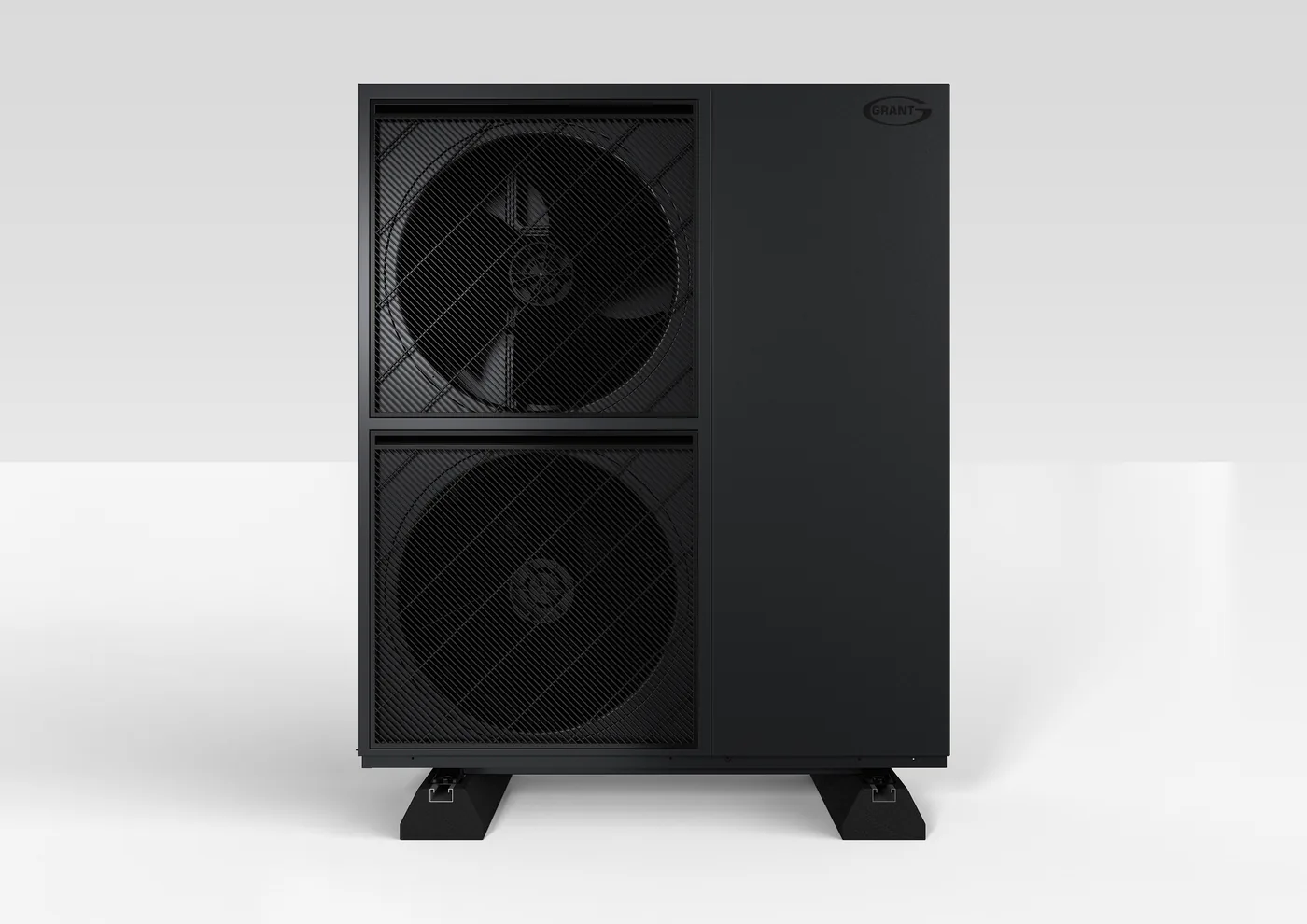
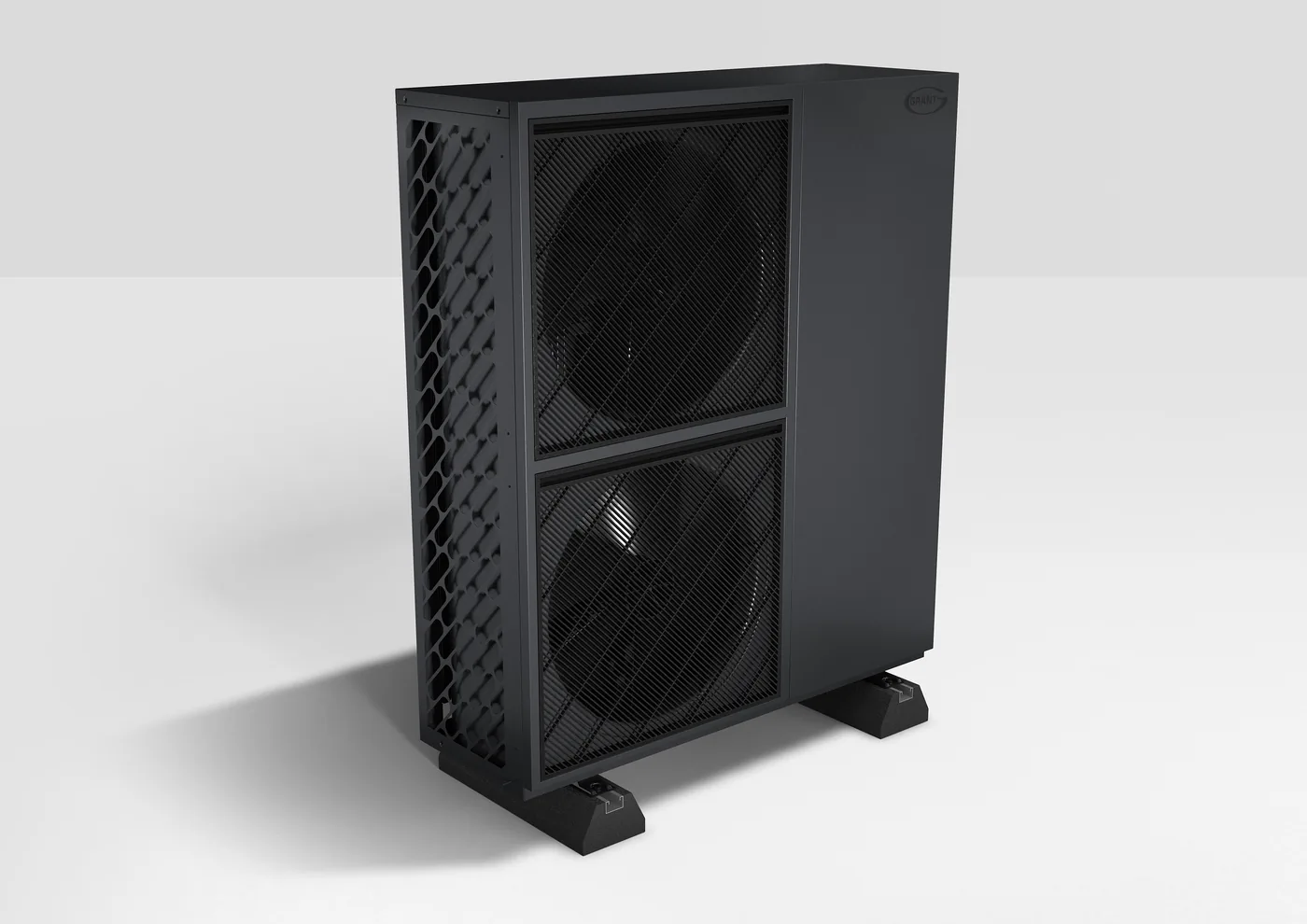
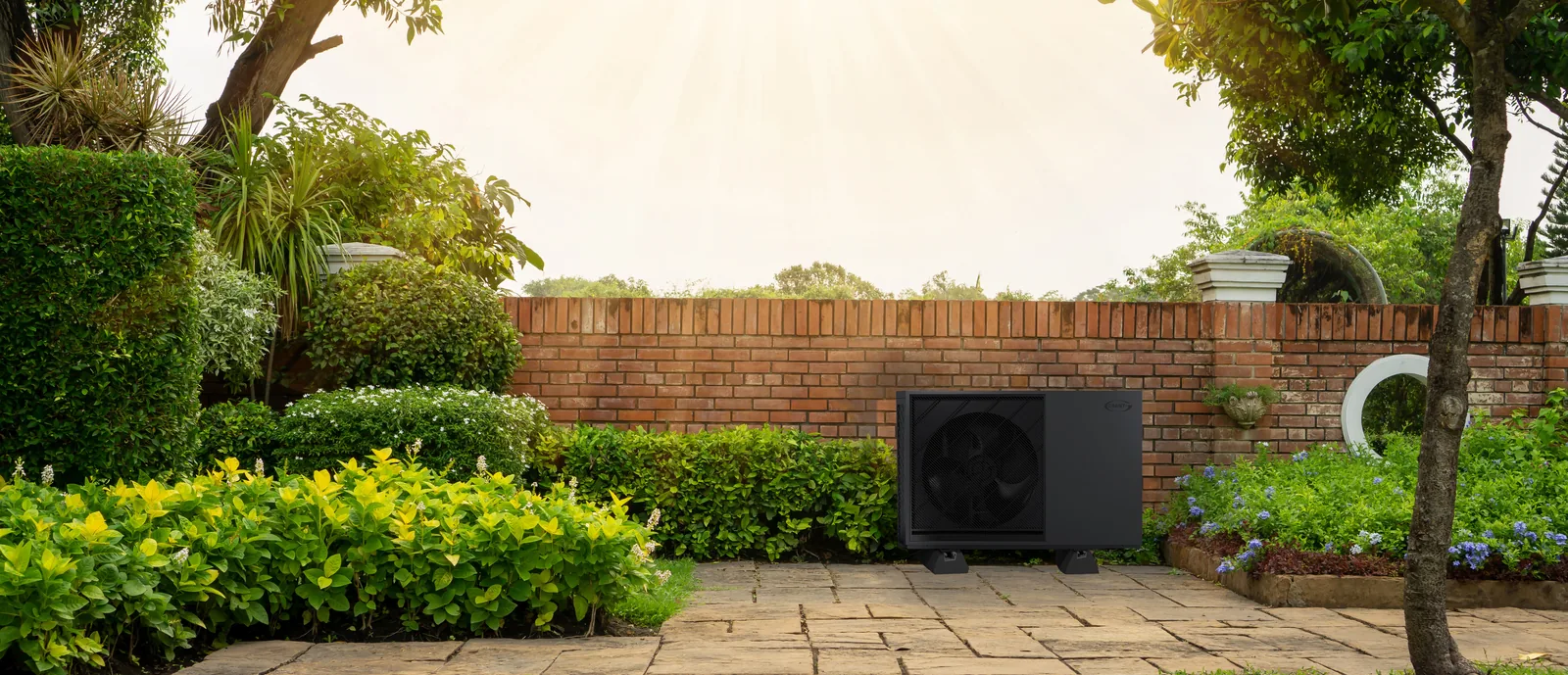
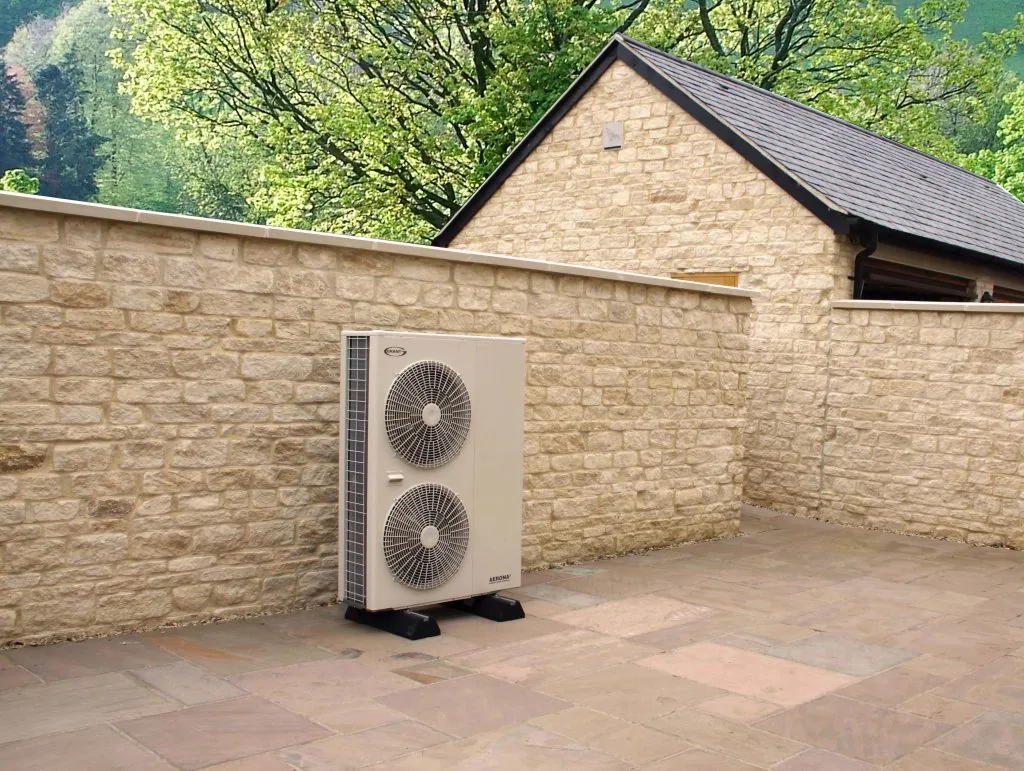
An air source heat pump extracts heat from the outside air and uses it to warm your home and hot water, producing typically two to four units of heat for every unit of electricity it uses. It is a genuinely low-carbon alternative to a gas or oil boiler, and it works even in UK winters down to around minus 15 degrees.

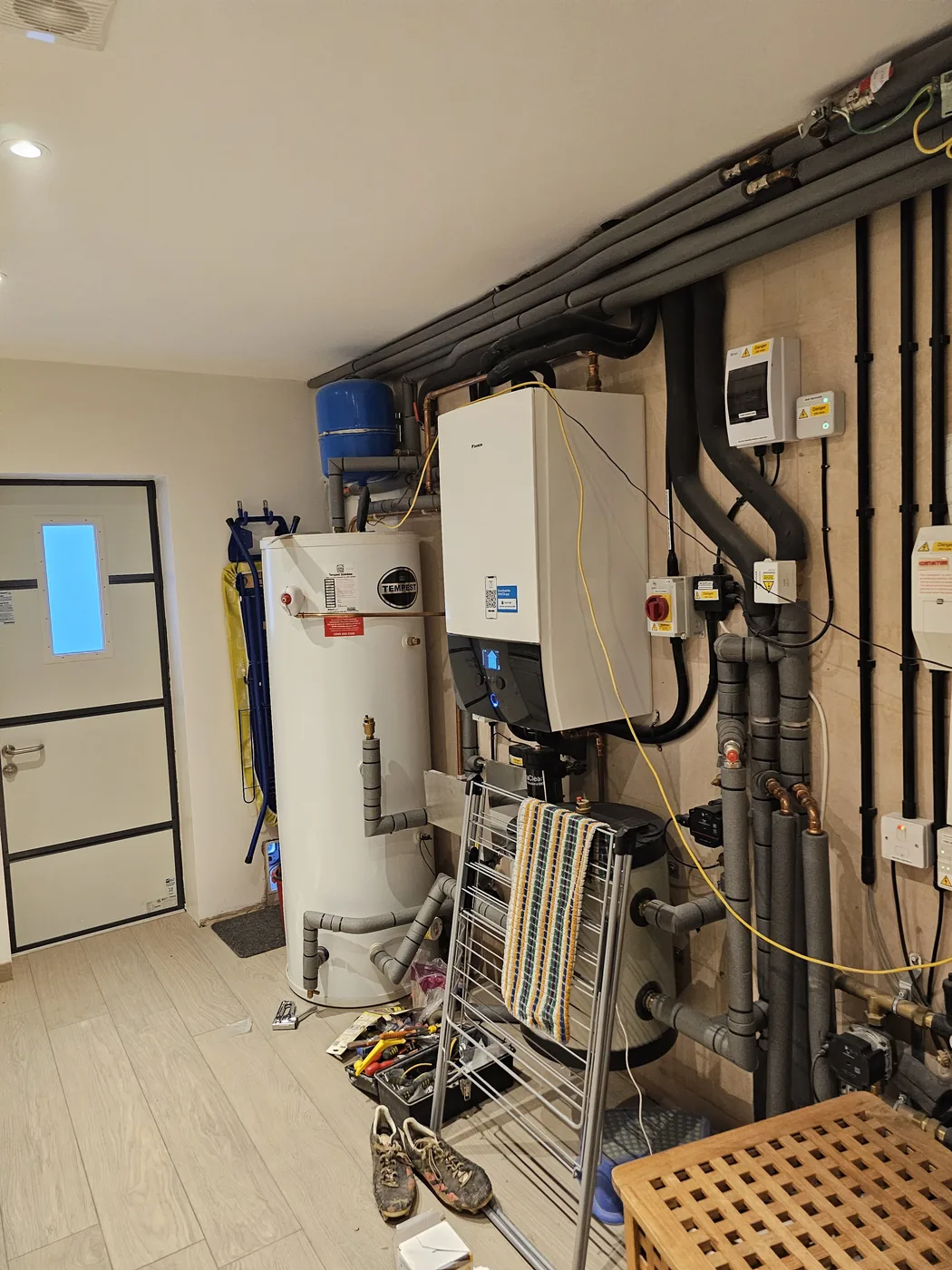
Heat pumps deliver low-temperature, steady heat rather than the high-temperature on-off cycle of a boiler, so correct design is everything. We carry out a professional heat loss survey, check insulation levels and radiator sizing, and confirm there is space for an outdoor unit and a hot water cylinder before recommending a system.

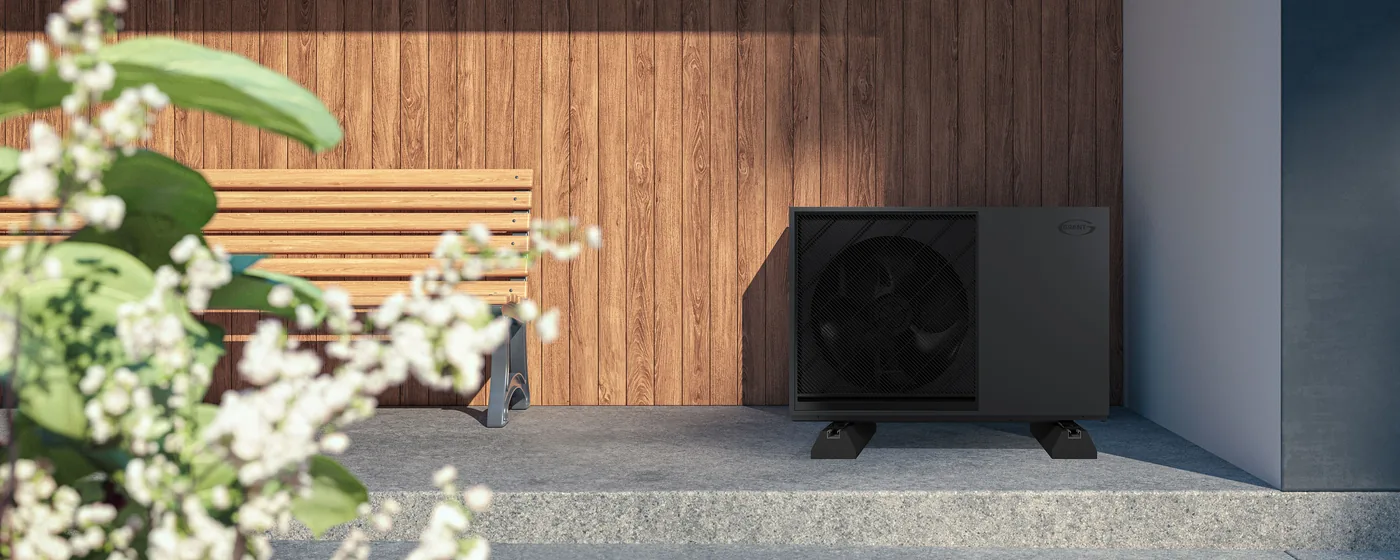
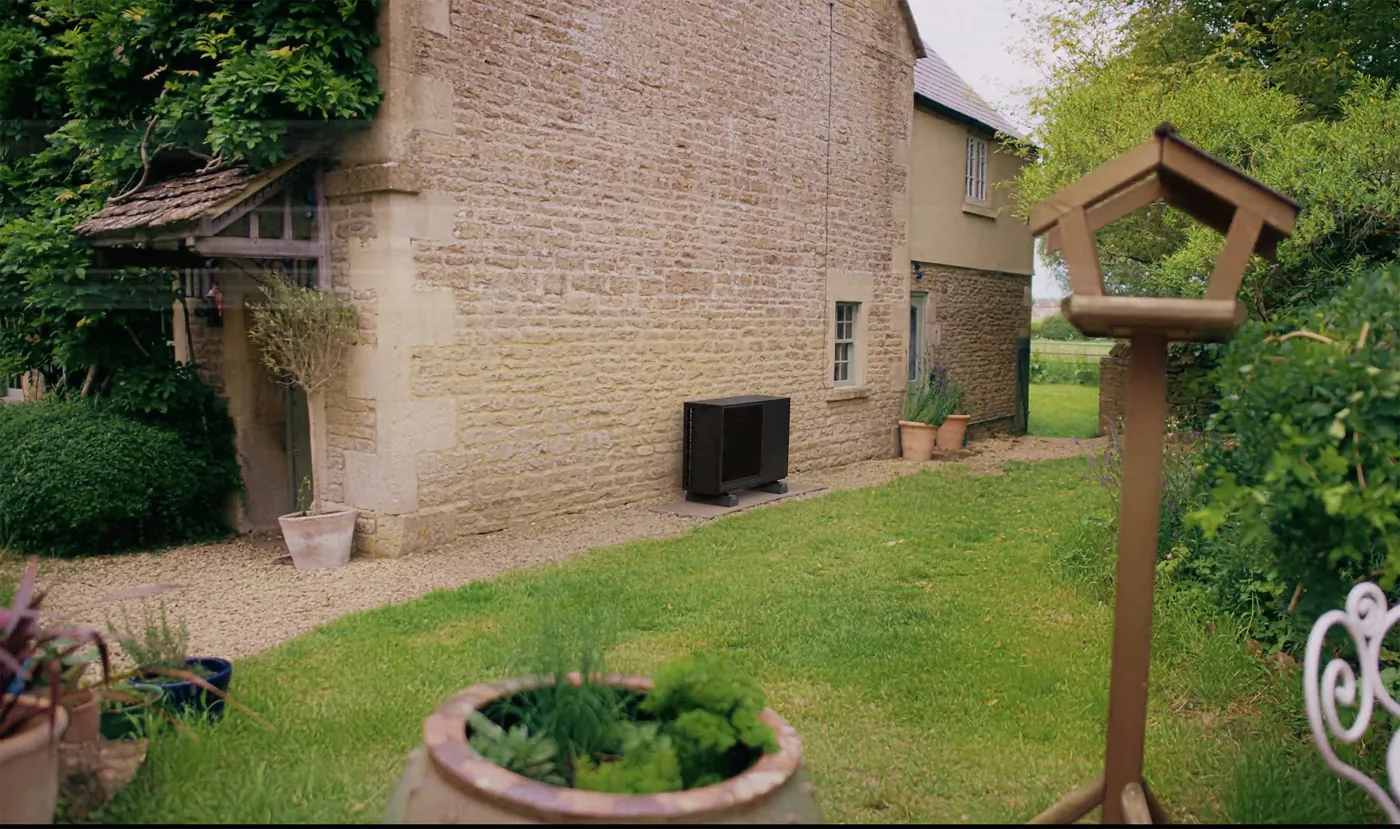
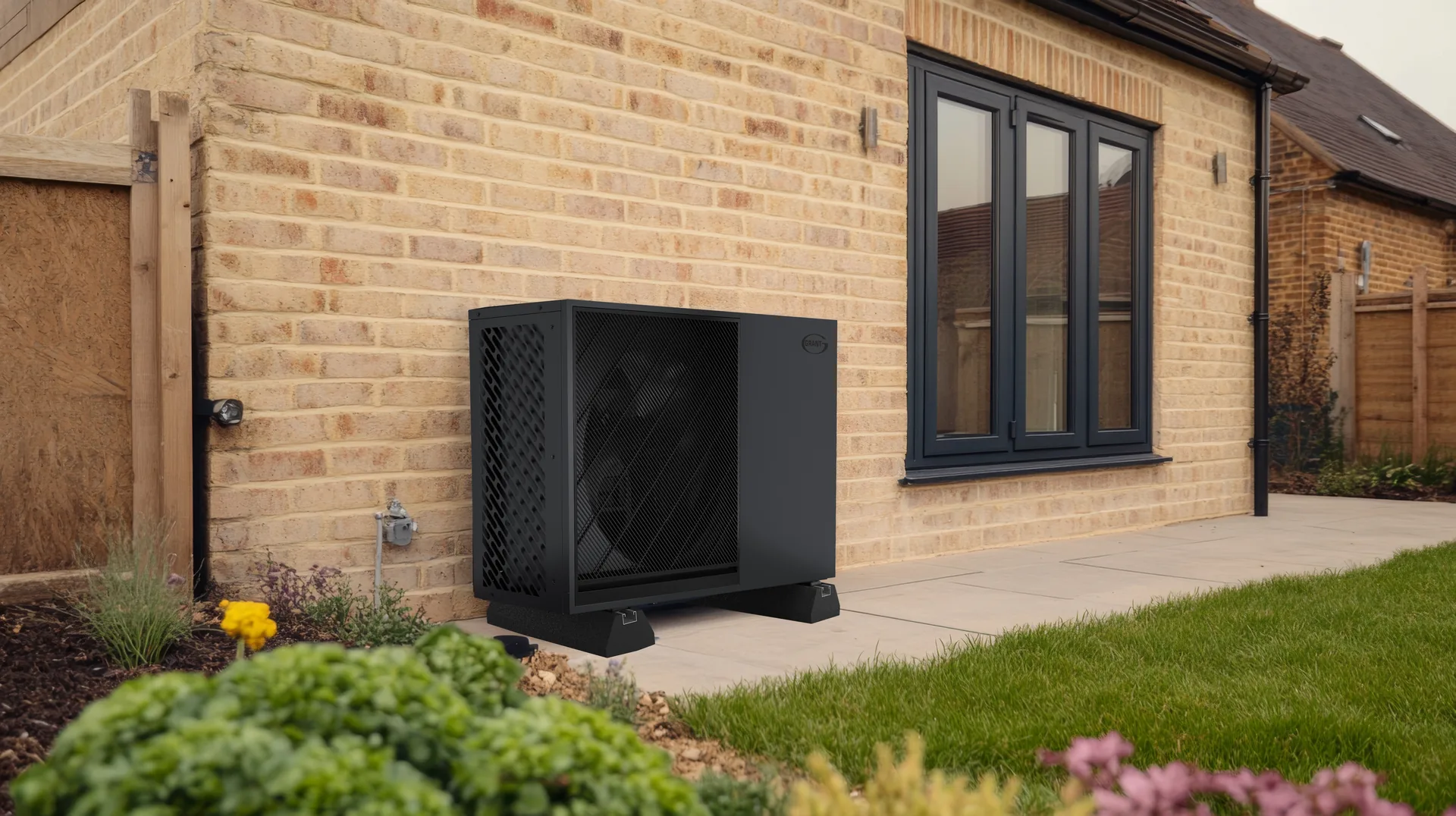
A well-designed installation can provide full central heating and hot water for a suitable, well-insulated home. We size the system properly, position the outdoor unit for good airflow and quiet running, and upgrade radiators only where the calculations show it is genuinely needed.

Modern units are quiet, last around 15 to 20 years with annual servicing, and can cut your carbon footprint significantly. Eligible homes can claim up to £7,500 through the Boiler Upgrade Scheme, and we will explain the realistic running costs and grant position honestly before you commit.

PRICE GUIDE £10,000 – £20,000
Grant BUS up to £7,500
Lifespan 15–20 years
BOOKING Free heat loss survey
Design Bespoke per property
Coverage Hampshire, Surrey & Sussex

Frequently Asked Questions

Air Source Heat Pump Installations Questions

What areas do you cover?

We are based in Bordon (GU35) and cover Hampshire, Surrey and Sussex, including Headley, Liphook, Petersfield, Haslemere, Hindhead, Grayshott, Liss, Alton, Farnham and the surrounding villages. If you are not sure whether we reach you, call 01428 727222 and we will confirm.

Are you Gas Safe registered?

Yes. Miller & Sons is Gas Safe registered, and we are also OFTEC registered for oil, members of the Water Industry Approved Plumbers Scheme (WIAPS), and hold City & Guilds qualifications in plumbing and electrical work. All gas work meets the legal safety standards required by UK law.

Do you offer a 24/7 emergency service?

Yes. We provide a 24/7 emergency call-out service, 365 days a year, for heating, boiler and plumbing emergencies across our coverage area. Call us as soon as a problem develops and we will respond as quickly as we can.

How long have you been trading?

Miller & Sons is a family-run business that has served Bordon and the surrounding area for over 15 years, taking on both domestic and commercial work from minor repairs through to full installations and system upgrades.

Do you provide free quotes?

Yes. All quotes are free of charge and provided with no obligation. They are valid for 30 days and based on the information available at the time, and any change in scope is discussed and agreed before extra work is carried out.

What payment methods do you accept and do you take deposits?

We accept bank transfer and card payments. A deposit of up to 50 per cent of the quotation may be required before larger works begin to secure the booking and cover initial materials, with the balance due on completion unless agreed otherwise in writing.

Is your work guaranteed?

Yes. All labour comes with a 12 month workmanship guarantee covering defects due to poor workmanship, and materials are covered by the manufacturer warranty where applicable. We are also insured for public liability up to £10 million.

How long does a new boiler installation take?

Usually 2–3 days if pipework, location, or system type needs changing.

Will I be without heating and hot water during installation?

Yes, typically for most of the day while the old system is removed and the new one is fitted.

What type of boiler should I install?

Combi boiler – most homes, one bathroom. System boiler – larger homes with multiple bathrooms. Regular boiler – older homes with loft tanks.

How do I know what size boiler I need?

It depends on: number of bathrooms. Household size. Water demand. An installer will usually calculate the correct output (kW).

How much does a new boiler installation cost?

£3,000 – £6,000+.

Are there any hidden costs?

Possible extras include: new pipework. Flue upgrades. Chemical system flush. Thermostat upgrades.

How often should I service my boiler?

Once every 12 months is recommended.

What maintenance will I need to do?

Check pressure occasionally. Bleed radiators if needed. Book annual service.

What is a boiler service?

A boiler service is a routine check carried out by a Gas Safe registered engineer to ensure your boiler is safe, efficient, and working properly.

How often should I service my boiler?

Once every 12 months is recommended by most manufacturers and engineers.

Why is boiler servicing important?

Prevent breakdowns. Improve energy efficiency. Keep your home safe from gas or carbon monoxide leaks. Maintain your warranty.

How long does a boiler service take?

Usually 60 - 90 minutes, depending on the boiler condition and type and location and access.

What happens during a boiler service?

An engineer typically: checks internal components. Tests gas pressure and flow. Inspects flue and ventilation. Cleans key parts if needed. Checks for leaks or corrosion. Runs safety tests.

Will my heating be turned off during the service?

Yes, briefly. The boiler is switched off for safety during inspection and testing.

Is boiler servicing worth it?

Yes. Regular servicing often costs less than a single breakdown repair and helps extend the boiler’s lifespan and adheres to your manufacturers warranty cover requirements.

What is an unvented cylinder?

An unvented cylinder is a sealed hot water system fed directly from the mains, providing high-pressure hot water without a cold water storage tank.

Do I need a qualification to install one?

Yes. In the UK, installers must hold a recognised certification such as: g3 (Building Regulations Part G3) qualification. This ensures safe installation of pressurised systems.

Do I need Building Regulations approval?

Yes. Installation must comply with Part G3 of the Building Regulations. You must either: be registered with a competent person scheme, or. Notify Building Control before installation.

What are the benefits?

Strong, balanced water pressure. No loft tank required (saves space). Multiple outlets can run simultaneously. Cleaner water (no stored tank contamination risk).

What are the risks?

High pressure = potential safety hazard if incorrectly installed. Requires safety devices (temperature & pressure relief valves). Needs annual servicing.

What safety components are required?

Key mandatory components include: temperature & Pressure Relief Valve (T&P valve). Expansion vessel or internal air gap. Check valve (non-return valve). Pressure reducing valve. Discharge pipework (correctly sized and routed).

What are the water supply requirements?

Adequate mains pressure (typically 1.5 bar minimum, ideally 2–3 bar). Good flow rate (usually 20–25 litres. Min recommended). If supply is poor, performance will suffer.

Can it be used with different heat sources?

Yes, including: gas boilers. Electric immersion heaters. Heat pumps. Solar thermal systems.

How long does installation take?

Typically 1–2 days depending on complexity. Longer if upgrading pipework or electrics.

Does it need servicing?

Yes , annually recommended: check safety valves. Inspect expansion vessel. Verify pressure settings.

Where can it be installed?

Airing cupboard. Utility room. Garage. It must be: accessible for servicing. Installed on a suitable load-bearing surface.

What about discharge pipe requirements?

Critical for safety: must terminate safely outside. Visible discharge point preferred. Sized and routed according to G3 guidance. Must not be blocked or restricted.

Do they work during a water outage?

No , they rely on mains pressure, so no stored cold water backup.

Are they noisy?

Generally quiet, though: expansion vessel issues can cause noise. Incorrect pressure settings may lead to vibration.

What are common installation mistakes?

Incorrect discharge pipe sizing. Missing or incorrectly fitted safety valves. Poor expansion vessel setup. Inadequate mains supply assessment.

How much does installation cost (UK)?

Typical ranges: cylinder: £500–£1,500. Installation: £500–£3,000+. Depends on size, brand, and system complexity.

What should I do if my boiler stops working?

Check the basics first: power supply, thermostat settings, pressure gauge, and whether the gas. Electric supply is on. If everything looks fine, contact a qualified heating engineer.

Why is my boiler not turning on?

Common causes include low pressure, frozen condensate pipe, power cut, faulty thermostat, or internal component failure.

What does low boiler pressure mean?

Low pressure usually means there’s not enough water in the system. It often needs repressurising using the filling loop.

What is a boiler lockout?

A lockout is a safety feature that shuts the boiler down when it detects a fault, such as no flame, pressure issues, or blocked components.

Can I fix a boiler breakdown myself?

You can check simple issues like pressure and power, but internal repairs should always be done by a Gas Safe registered engineer.

Why is my boiler making strange noises?

Banging, whistling, or gurgling may indicate air in the system, limescale build up, or low water pressure.

What should I check before calling an engineer?

Boiler pressure. Thermostat settings. Electricity and gas supply. Any error codes on the display. Frozen condensate pipe (in cold weather).

How long does a boiler repair take?

Simple fixes may take under an hour. More complex faults or parts replacement can take longer if parts need ordering.

Is a broken boiler an emergency?

Yes, especially in winter or if you have no heating or hot water. It’s recommended to arrange an urgent repair.

How can I prevent future breakdowns?

Annual servicing, keeping pressure at the correct level, bleeding radiators, and ensuring good ventilation can help prevent issues.

What is an air source heat pump?

An air source heat pump is a low-carbon heating system that extracts heat from the outside air and uses it to heat your home and hot water.

How does an air source heat pump work?

It works like a fridge in reverse: absorbs heat from outside air. Compresses it to increase temperature. Transfers heat into your heating system (radiators, underfloor, hot water).

Can it heat my whole house?

Yes. A properly designed system can provide: full central heating. Hot water supply. Correct sizing and system design are critical for performance.

Do heat pumps work in cold weather?

Yes, even in UK winters. They can operate in temperatures as low as -15°C, although efficiency drops slightly in colder conditions.

Do they use a lot of electricity?

They use electricity, but are very efficient: typically produce 2–4 units of heat for every 1 unit of electricity. Much more efficient than direct electric heating.

Are they cheaper to run than gas boilers?

It depends on: electricity vs gas prices. Insulation levels. System design.

Is my home suitable for a heat pump?

Best suited for homes that: are well insulated. Have adequate radiator size or underfloor heating. Have space for a hot water cylinder. A professional heat loss survey is essential.

What’s required for installation?

Outdoor unit (installed externally). Indoor cylinder (for hot water). Upgraded radiators (in some cases). Good insulation. The unit must have space around it for airflow and sit on a solid base.

Are air source heat pumps noisy?

They produce around 60–65 dB at maximum output (similar to normal conversation). Modern systems are generally quiet when correctly installed.

Do they need servicing?

Yes: annual servicing recommended. Checks include filters, refrigerant, and system pressures.

How long do they last?

Typically 15–20 years with proper maintenance.

Are they environmentally friendly?

Yes: lower carbon emissions than gas or oil heating. Can reduce household carbon footprint significantly. Even greener when paired with renewable electricity.

Are there grants available in the UK?

Yes: boiler Upgrade Scheme (BUS) offers up to £7,500 towards installation (subject to eligibility).

Are they better than boilers?

Not strictly "better", just different: heat pumps = low temperature, constant heat. Boilers = high temperature, on. Off heating. Heat pumps require a different way of heating your home (low & steady).

What are the downsides?

Higher upfront cost. May require radiator upgrades. Works best in well-insulated homes. Slower heat-up compared to boilers.

Common misconceptions

"They don’t work in winter" - They do. "They can’t heat radiators" - They can (if sized correctly). "They’re noisy" - Modern units are relatively quiet.

What are common installation mistakes?

Undersized system. Poor insulation assessment. Incorrect radiator sizing. Bad positioning of outdoor unit.

What does a bathroom refurbishment include?

A full refurbishment can include removing old fittings, plumbing adjustments, new bathroom suite installation, tiling, flooring, lighting, and finishing touches.

How long does a bathroom installation take?

Most bathroom refurbishments take around 5–14 working days, depending on the size of the room and the complexity of the work.

Do you handle everything from start to finish?

Yes, we can manage the full project including plumbing, electrical work, tiling, plastering, and installation to provide a complete service.

Can I choose my own bathroom suite and tiles?

Absolutely. You can supply your own materials or we can help you choose and source everything you need.

Do I need to prepare anything before the work starts?

We recommend clearing the bathroom and ensuring easy access to the area. We’ll handle the rest, including protection of surrounding spaces.

Will I be without a toilet or shower during the installation?

Yes, there may be short periods without facilities while work is being carried out. We aim to minimise disruption wherever possible.

How much does a bathroom refurbishment cost?

Costs vary depending on the size of the bathroom, chosen fittings, and level of work required. A detailed quote is provided before work begins.

Do you deal with small bathroom updates as well?

Yes, we also handle smaller jobs such as replacing taps, toilets, showers, or updating individual fixtures.

Can you help with bathroom design ideas?

Yes, we can offer advice on layout, style, space-saving solutions, and modern design options.

Do your bathroom installations come with a guarantee?

Yes, all workmanship is guaranteed for your peace of mind, and manufacturer warranties apply to supplied products.

What types of plumbing work do you cover?

We cover all general plumbing services including leaks, tap repairs, toilet repairs, pipework, radiator issues, sink and bath installations, and more.

Do you handle emergency plumbing repairs?

Yes, most plumbing issues such as burst pipes, major leaks, and blocked toilets can be treated as emergencies and prioritised.

How do I know if I have a water leak?

Common signs include damp patches, mould, reduced water pressure, unusual water bills, or the sound of running water when nothing is on.

Can you fix dripping taps and running toilets?

Yes, these are common repairs and are usually quick to diagnose and fix, often involving worn washers or faulty internal parts.

Do you install new bathroom fixtures?

Yes, we install sinks, toilets, showers, baths, taps, and full bathroom suites, including replacements and upgrades.

What should I do in a plumbing emergency?

Turn off the main water supply if possible, isolate affected appliances, and contact a qualified plumber immediately.

How long does a typical plumbing job take?

Small repairs can take under an hour, while installations or more complex issues may take several hours or longer.

Are plumbing repairs expensive?

Costs vary depending on the issue, parts required, and time needed. We usually provide a quote before starting any work.

Do you offer maintenance or routine plumbing checks?

Yes, regular maintenance can help prevent leaks, blockages, and long-term damage to your plumbing system.

Can I attempt plumbing repairs myself?

Minor tasks like tightening fittings may be safe, but most plumbing work should be handled by a qualified professional to avoid damage or leaks.

What is an oil-fired boiler?

An oil-fired boiler is a heating system that burns heating oil to provide: central heating. Hot water. It is commonly used in off-grid homes without access to mains gas.

Who is oil boiler installation suitable for?

Oil boilers are ideal for: rural or off-grid properties. Homes without gas supply. Larger properties needing high heat output.

How much does an oil boiler installation cost?

Typical UK price ranges: £4,000 - £5,000 - basic like-for-like replacement. £5,000 – £10,000 - average installation.

How long does installation take?

Usually 1–2 days for a standard replacement. Longer if: pipework or system upgrades are required.

What is included in an installation?

A full installation typically includes: removal of old boiler. New boiler fitting. Flue installation. System connection. Controls setup. Safety testing and commissioning.

Do I need a new oil tank?

Not always. You may need a new tank if: the existing tank is damaged or leaking. It does not meet current regulations. It is too small for your heating demand.

Are oil boilers safe?

Yes, when installed and maintained properly. Safety depends on: correct installation. Regular servicing. Proper ventilation and fuel storage.

What qualifications should the installer have?

Installers should be registered with: oFTEC. This ensures they are trained to install and service oil systems safely.

What are the benefits of an oil boiler?

Powerful heating for larger homes. Reliable in rural areas. Long lifespan (15–20 years). High heat output.

Are oil boilers being phased out?

There are no immediate bans on existing systems. However, the UK is encouraging low-carbon alternatives over time. Future regulations may favour heat pumps.

Can I replace my old oil boiler with a new one?

Yes, this is very common. A like-for-like swap is usually: faster. Cheaper. Less disruptive.

Can I switch from gas to oil?

Yes, but it requires: oil tank installation. New pipework. Proper site assessment.

Will an oil boiler work in cold weather?

Yes. Oil boilers: perform well in freezing conditions. Are commonly used in colder rural areas.

How efficient are modern oil boilers?

Modern condensing oil boilers can reach: around 90%+ efficiency when properly installed.

Do oil boilers need servicing?

Yes, at least once a year to: maintain efficiency. Prevent breakdowns. Ensure safe operation.

What are signs I need a new boiler?

Frequent breakdowns. Rising fuel bills. Poor heating performance. Loud operation or soot build-up.

Will a new oil boiler save me money?

Often yes: better efficiency. Lower fuel usage. Fewer repair costs.

Can installation affect my property?

Minimal disruption for replacements, but more work if: new tank is installed. Pipework needs upgrading. System is being redesigned.

What is a powerflush?

A powerflush is a deep cleaning process for your central heating system. It removes sludge, rust, and debris that build up inside radiators, pipes, and the boiler.

How does powerflushing work?

A specialist machine pumps water and cleaning chemicals at high velocity through the heating system to: break down sludge. Flush out debris. Restore proper water flow.

Why would I need a powerflush?

You may need one if you notice: cold spots on radiators. Radiators not heating properly. Noisy boiler or pipes. Slow heating response. Frequent boiler breakdowns.

Does powerflushing improve heating performance?

Yes. It can: improve heat distribution. Help radiators heat up faster. Reduce strain on the boiler. Improve system efficiency.

How much does a powerflush cost in the UK?

Typical prices: £600 – £1,000+. Cost depends on: number of radiators. System condition. Property size.

How long does it take?

Usually takes one day.

What’s included in a powerflush?

A standard service includes: connection of flushing machine. Chemical cleaning of system. Individual radiator flushing. System balancing. Addition of inhibitor after cleaning.

Are there risks to powerflushing?

When done correctly by a professional, it is safe. However, poor execution can: damage old pipework. Cause leaks in weak radiators. Stir up debris temporarily.

Will it fix all heating problems?

Not always. It helps with: sludge-related issues. But it won’t fix: faulty boilers. Broken pumps. Electrical control issues.

Is powerflushing the same as bleeding radiators?

No: bleeding radiators removes trapped air. Powerflushing removes sludge and debris from the whole system.

How often should I powerflush my heating system?

Typically every 5–10 years. Or when symptoms appear.

Can it damage my boiler?

No, when done properly. In fact, it: reduces stress on the boiler. Helps extend its lifespan.

Will it make my house warmer?

Yes, in many cases: radiators heat more evenly. Rooms warm up faster. Cold spots are removed.

What chemicals are used?

Typically: cleaning chemicals to break down sludge. Neutralising agents. Corrosion inhibitor added after flushing.

Do all heating systems need powerflushing?

No. It’s usually needed when: system is old or poorly maintained. Heating performance is reduced. A new boiler is being installed.

Should I powerflush before installing a new boiler?

Yes, most manufacturers recommend it. It helps: protect the new boiler. Maintain warranty conditions.

Signs your system needs a powerflush

Radiators warm at top but cold at bottom. Heating takes longer than usual. Boiler keeps cutting out. Dirty water when bleeding radiators.

What is a central heating system?

A central heating system heats your home from one central source (usually a boiler or heat pump) and distributes warmth through: radiators. Underfloor heating. Hot water system.

How does central heating work?

Most systems work by: heating water in a boiler or heat pump. Pumping hot water through pipes. Radiators release heat into rooms. Water returns to be reheated.

What types of central heating systems are there?

Common types include: gas central heating systems. Oil-fired central heating systems. Electric systems. Renewable systems (e.g. heat pumps).

How much does a central heating installation cost (UK)?

Typical ranges: £3,000 – £5,000 - small system or replacement. £5,000 – £8,000 - average full installation. £8,000 – £12,000+ - larger or complex systems. Costs vary depending on property size and system type.

How long does installation take?

1–3 days for boiler replacement. 3–7 days for full central heating system installation. Longer for full property upgrades.

What is included in a central heating installation?

A full install may include: boiler or heat source installation. Radiators and pipework. Pump and controls. Thermostats and smart controls. System commissioning and testing.

Why are my radiators not heating properly?

Common causes: air trapped in system. Sludge or debris build-up. Faulty pump or valves. Poor system balance. A powerflush or system service may be needed.

What is a powerflush?

A powerflush is a deep clean of your heating system that removes: sludge. Rust. Debris. It helps improve efficiency and radiator performance.

Why is my boiler losing pressure?

Possible causes: leak in the system. Faulty pressure relief valve. Expansion vessel issue. Radiator or pipework leaks.

How long does a boiler last?

Typically 10–15 years. Well-maintained systems may last longer.

Is central heating safe?

Yes, when properly installed and maintained. Regular servicing helps ensure: safe operation. Efficient performance. Reduced risk of breakdowns.

How often should central heating be serviced?

Boiler: once per year. System checks: every 1–2 years.

Can I upgrade my existing system?

Yes. Common upgrades include: new boiler installation. Smart thermostats. Radiator upgrades. System flushing.

How can I make my heating system more efficient?

Install a modern condensing boiler. Use smart heating controls. Improve insulation. Balance radiators. Regular servicing.

What are signs I need heating repairs?

Cold radiators. Strange noises from boiler. Slow heating response. Rising energy bills. Frequent system breakdowns.

Can I replace just the boiler instead of the whole system?

Yes, if your pipework and radiators are in good condition. However, older systems may benefit from full upgrades.

What is system balancing?

System balancing ensures: all radiators heat evenly. Water flow is correctly distributed. The system runs efficiently.

Do smart thermostats really help?

Yes: better temperature control. Lower energy bills. Remote control via apps.